
NEMT Insurance vs. Regular Auto Insurance: Key Differences & Why It Matters
April 24, 2025 / Dana Pandorf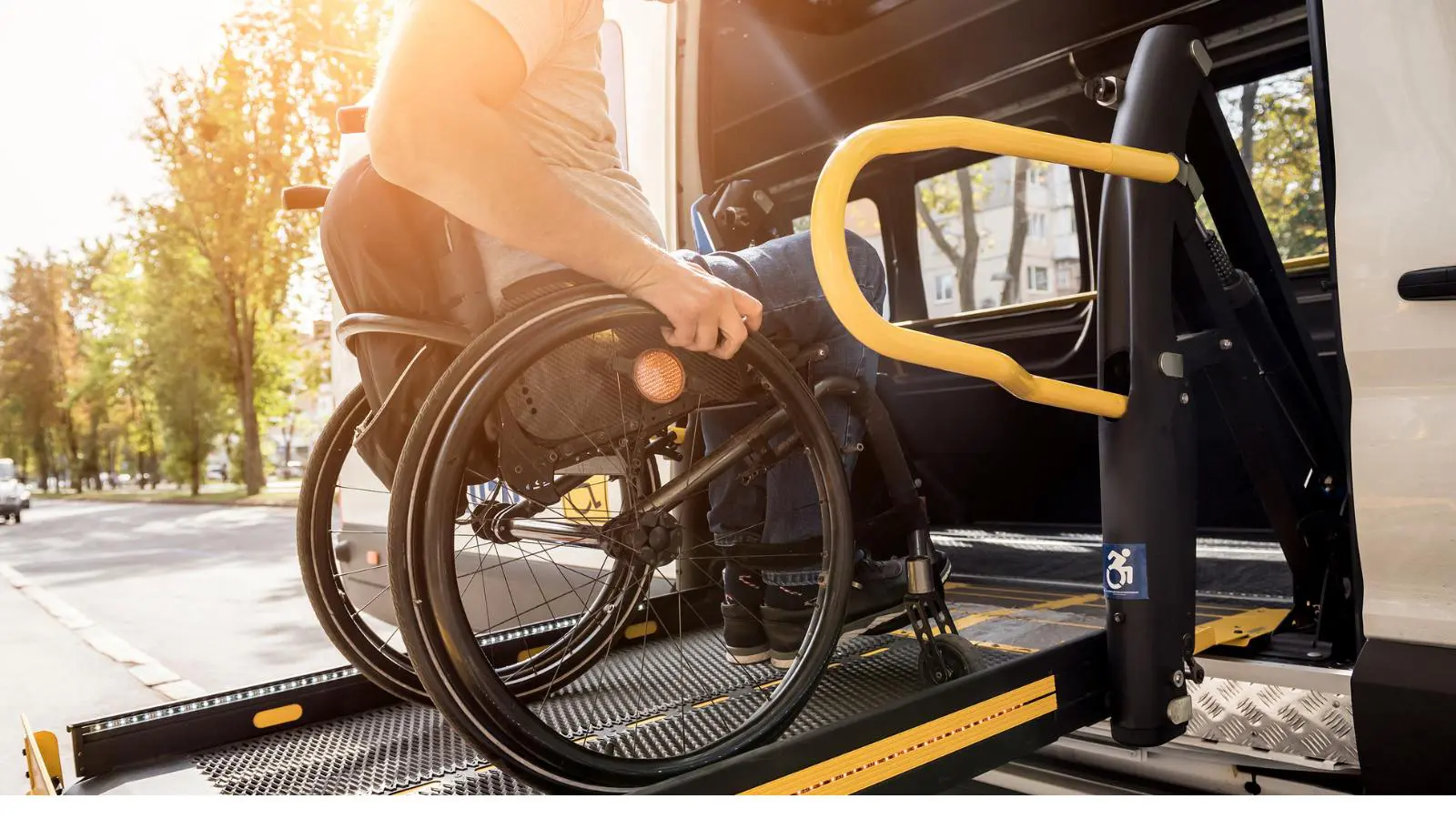
Understanding the Difference Between NEMT Insurance and Regular Auto Insurance
How Does NEMT Insurance Differ from Regular Auto Insurance?
Non-Emergency Medical Transportation (NEMT) insurance is significantly different from regular auto insurance. While standard auto insurance covers personal or commercial vehicle use, NEMT insurance is specifically designed for transporting patients who need medical assistance but are not in an emergency.
Below is a detailed comparison to help transportation providers ensure they have the right coverage for their business needs.
Coverage Purpose
NEMT Insurance
- Designed for vehicles transporting patients to and from medical appointments, dialysis treatments, physical therapy, and other healthcare-related services.
- Covers medical risks that may occur during transport, ensuring both patient and provider protection.
Regular Auto Insurance
- Covers vehicles used for personal or commercial driving such as commuting, running errands, or business travel.
- Does not typically cover patient transport risks or medical-related incidents.
If a vehicle is used for NEMT services but is only covered by regular auto insurance, there may be coverage gaps that could result in denied claims.
Coverage Types
NEMT Insurance Typically Includes:
- Medical Liability Coverage – Protects against injuries to patients during transport.
- General & Professional Liability – Covers claims related to improper patient handling or negligence.
- Auto Liability – Covers accidents involving NEMT vehicles.
- Physical Damage Coverage – Protects against theft, vandalism, or damage to specialized vehicles.
- Workers’ Compensation – Covers drivers and staff assisting patients.
Regular Auto Insurance Typically Includes:
- Bodily Injury & Property Damage Liability – Covers injuries and damages caused to others in an accident.
- Collision Coverage – Pays for vehicle repairs after an accident.
- Comprehensive Coverage – Covers non-accident-related damages such as theft, fire, and vandalism.
- Personal Injury Protection (PIP) – Covers medical expenses for the driver and passengers.
- Uninsured/Underinsured Motorist Coverage – Protects against accidents involving uninsured drivers.
- Regular auto insurance does not include medical liability coverage or account for patient safety concerns that are critical for NEMT services.
Risks & Requirements
NEMT Insurance
- Designed to address medical risks such as patient injuries during transport.
- Requires specialized vehicles, including wheelchair-accessible vans and stretcher-equipped transport.
- Considers risks associated with transporting elderly or disabled passengers who need assistance.
Regular Auto Insurance
- Covers general driving risks, including accidents, theft, and weather-related damages.
- Does not account for the unique risks associated with patient transport or medical assistance during transit.
- Using a vehicle for medical transport without the appropriate insurance can lead to significant liability issues in case of an incident.
Specialized Driver Training
NEMT Insurance Requirements: Drivers may need certification in patient handling, CPR, and medical response. Training includes securing wheelchairs, assisting passengers, and ensuring medical equipment safety.
Regular Auto Insurance Requirements: Drivers only need a standard driver’s license. No medical or specialized training is required.
NEMT drivers must meet stricter training standards to ensure the safe transportation of patients.
Licensing & Regulatory Compliance
NEMT Insurance Compliance
- Must meet state and federal healthcare transportation regulations.
- Vehicles require special licensing, permits, and inspections.
- Insurance policies often require higher liability limits due to the risks involved.
Regular Auto Insurance Compliance
- Must meet state-mandated minimum coverage limits for personal or commercial driving.
- Does not require medical transport permits or patient safety measures.
Operating an NEMT service without the proper licensing and insurance can lead to fines, legal action, or business shutdowns.
Final Thoughts: Why NEMT Insurance is Essential
If a vehicle is used for transporting patients for non-emergency medical purposes, regular auto insurance is not sufficient. NEMT insurance is designed to:
- Protect against patient-related liabilities.
- Ensure compliance with medical transport regulations.
- Cover specialized vehicles and equipment.
- Safeguard businesses from financial losses.
To ensure full protection and compliance, it is essential to work with an experienced insurance provider. Contact CARS to discuss coverage options tailored to NEMT operations.